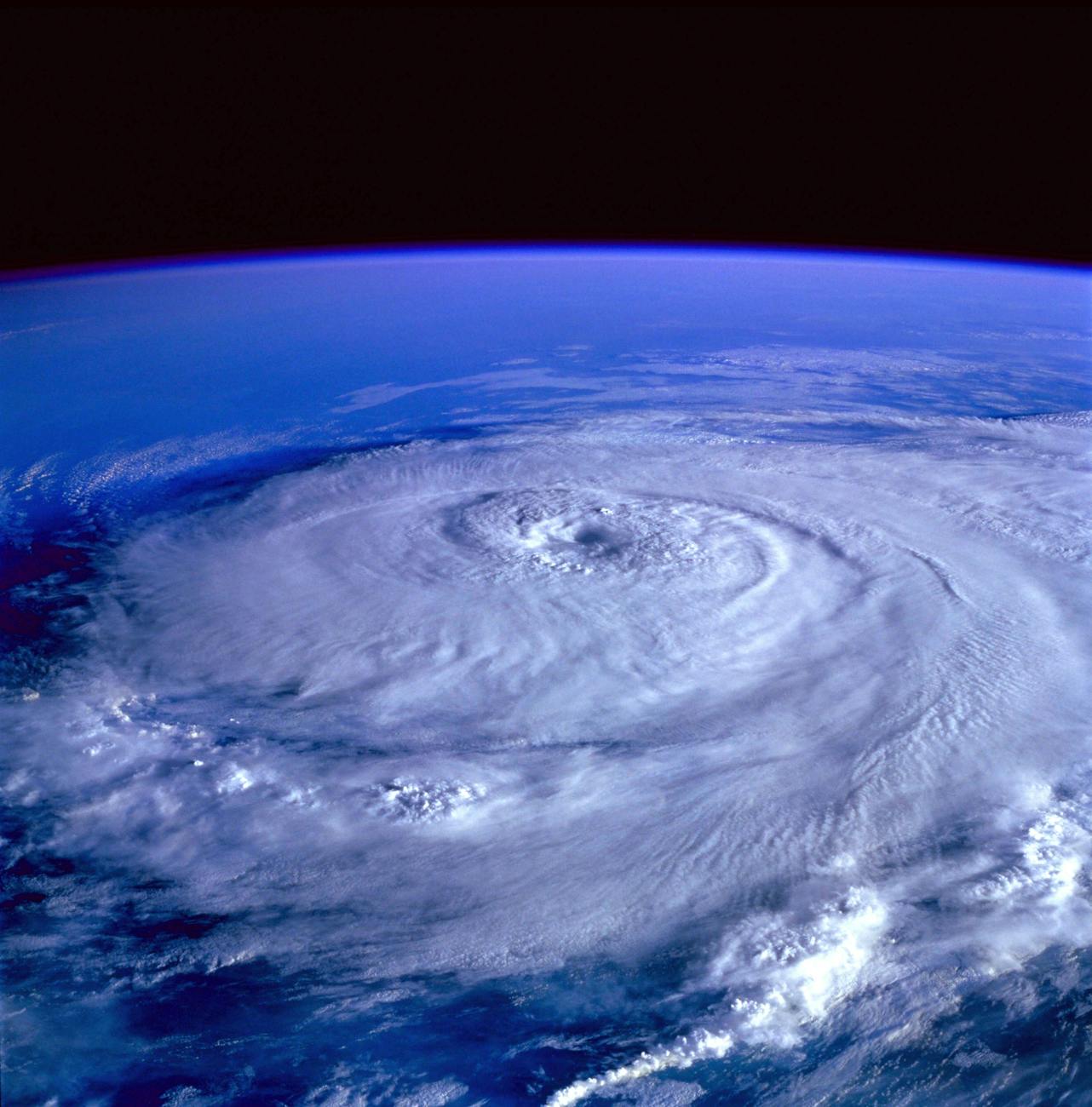
As I write this story from my Gulf Coast Florida home, Hurricane Milton threatens to bring damaging winds, heavy rains, and storm surges to our area. People are evacuating from coastal towns, some recently flooded by Hurricane Helene, and others are stocking up on food and water to shelter in place. But what if there were no hurricanes? How would the lack of these powerful storms affect the planet?
Hurricanes are not just fierce storms; they are crucial for the health of our world. They play a key role in maintaining a delicate global heat balance by moving heat from the tropics to northern latitudes. This moderates the weather in North America and Europe, highlighting the interconnectedness of our planet’s systems and the importance of tropical systems.
Hurricanes are not just destructive forces but also nature’s way of nourishing ecosystems. A cyclone’s swirling waters stir up nutrients from the seabed and bring them to the surface, benefiting the world’s ecosystems. This awe-inspiring process reminds us of the power and beauty of nature.
Ecologically, tropical systems deliver badly needed rain to drought-stricken areas, flush out bays and lagoons, and renew barrier islands. The wind from these storms thins out the foliage in forests, transports seeds, and carries nutrients and sediment inland, revitalizing habitats.
Climate change has transformed hurricanes into monster storms. The warming of our planet has led to more frequent and fiercer hurricanes. These storms, fueled by warm water, have become more intense. We have all experienced record-breaking heat in recent times, which has resulted in warmer ocean temperatures. A few degrees rise can significantly increase a hurricane’s sustained winds.
For reasons scientists do not fully understand, hurricane forward motion has recently decreased. This results in stalled storms that dump heavy rains, causing devastating floods in areas that do not usually flood. Understanding the science behind these changes is crucial for our ability to adapt and mitigate the impact of hurricanes.
While some have proposed extreme measures to stop hurricanes, such as seeding them with silver iodide, it’s important to consider the potentially disastrous consequences for the world’s climate and ecosystems. Instead, we can take practical steps to mitigate the damage a hurricane causes. Protecting our wetlands can create a buffer against storm surges, and maintaining coastal dunes also helps safeguard communities. Another key measure is ensuring that new construction does not occur in flood-prone areas. Additionally, establishing and strengthening building codes can help structures withstand devastating winds.
But above all, we need to curb global warming. Many people look into the sky and see an endless atmosphere, but if you take a basketball-sized globe and hold a dime flat to it, that represents how thin our atmosphere is. When we emit tens of billions of tons of carbon each year from burning fossil fuels into this thin layer, it traps the sun’s energy, which warms the atmosphere and our oceans. This is called the greenhouse effect. Many countries are implementing measures to reduce carbon emissions through renewable energy technology. If we fail, the consequences for humans will be devastating. Do not worry; Earth will still rotate around the sun, and there will be some forms of life adapted to a warming climate, but that may be in the absence of a species called Homo sapiens.
 naturechirp