Leave a comment

The Common Emerald Dove

This species calls the tropical and sub-tropical areas of southeast Asia rain forests home. It eats a variety of seeds and fruit supplemented by snails and insects. They are ground dwellers except when roosting for the night or when they are nesting. Despite being trapped for the pet trade due to their iridescent green color and soothing call, this species is still widespread and is a species of least concern.
Leave a comment

A Fruit Eating Pigeon

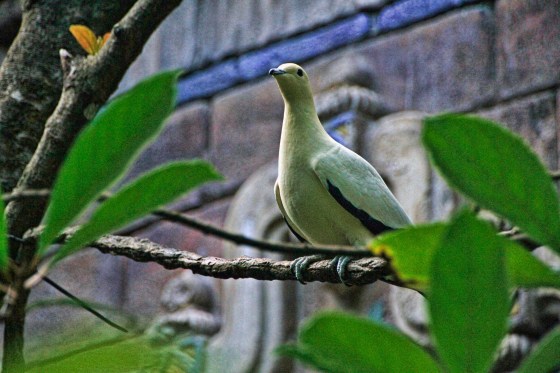
In the forests, mangrove swamps and scrublands of Southeast Asia and on the northern coast of Australia, the pied imperial pigeon flourishes on the fruit of  tropical trees, shrubs and vines. It builds a stick nest In which it lays a single white egg. Although there were once hunted because they were thought to be pests, they’re numbers are secure.

Leave a comment

The Duck With a Goose’s Name

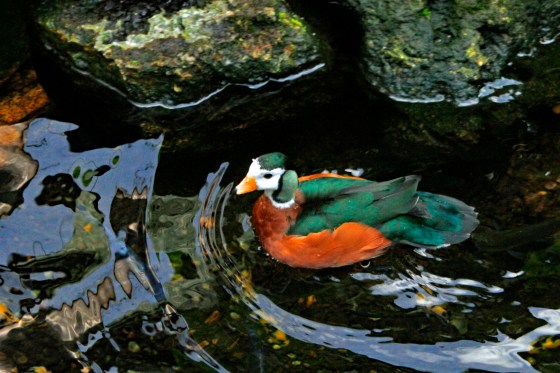
Although these waterfowl resemble geese, the African pygmy goose is actually a duck that lives in the sub-Saharan region of Africa in lakes, lagoons, wetlands and river systems. It eats the seeds of water lilies and other aquatic plants. This duck usually nests in the cavity of trees, but sometimes on the ground where it is the male that selects the nesting site. It is a common bird and its population is stable.

Leave a comment

Weaving for Love!

In the swampy lowlands of Kenya and Tanzania, a female taveta golden weaver intently watches a male weaver intertwine fine grasses and reeds with its claws and beak. The finished product is an intricate oval nest. If she is impressed with his abilities, she will choose him over other males to mate with. These weavers are colonial nesters. By building nests near each other, these birds are better equipped to alert each other when predators are in the area.

The female will line the nest with soft materials before laying two to three olive-green eggs. Although weavers are primarily seed eaters, it will feed its young insects until they fledge.

This species is common within its range and globally secure. If you can not make it to Africa, these birds can be seen in some zoos that have aviaries.

Leave a comment

The Closest Living Relative of the Extinct DoDo Bird

Living on the small islands and in the coastal regions of southeast Asia, the nicobar pigeon is the only living member related to the now extinct dodo bird.

This pigeon travels in flocks from island to island eating fruits, seeds and grains. It seeks islets with few predators to roost at night.

This pigeon is hunted for food and is often trapped for the pet market. Since it is a ground dwelling species when eating, it is susceptible to non-native predators such as rats and feral cats. It is now considered “near threatened” and only through conservation efforts, this species can thrive again.