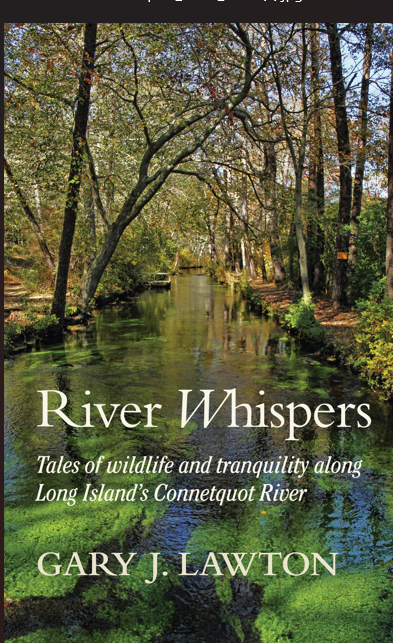
Did you know that millions of dragonflies migrate each fall? Did you know that shrews traverse their underground tunnels using echolocation? Did you know that some plants need fire to survive?
These are some of the fascinating discoveries I reveal about the plants and animals found along the Connetquot River on Long Island in New York.
Through short stories, I take readers on engaging walks through a 3,500-acre nature preserve to explore an ecosystem of captivating plants, migratory and native birds, diverse populations of reptiles, amphibians, insects, and mammals.
River Whispers helps us appreciate nature’s splendor and the importance of preserving these areas for wildlife and our own well being.
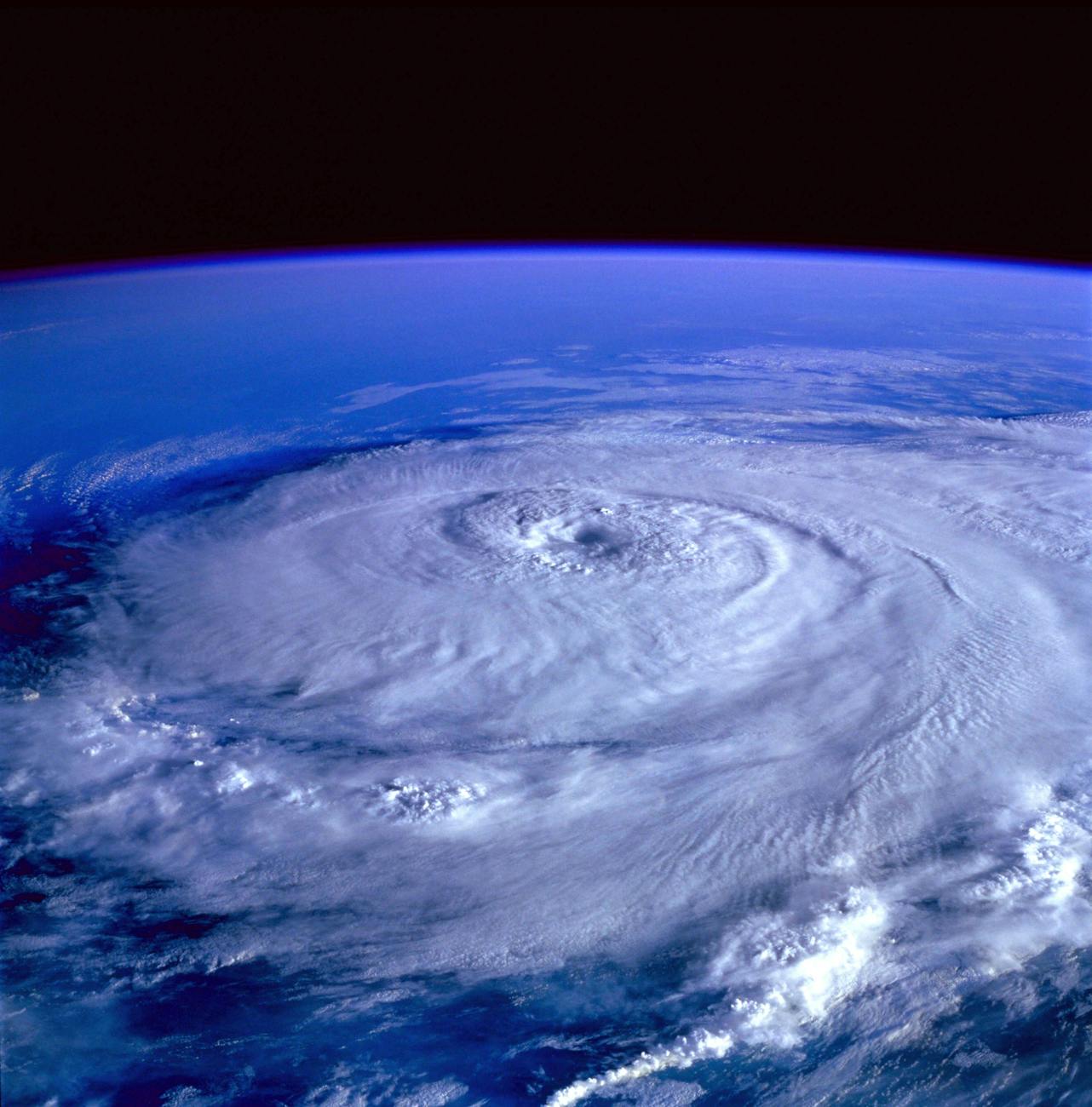
As I write this story from my Gulf Coast Florida home, Hurricane Milton threatens to bring damaging winds, heavy rains, and storm surges to our area. People are evacuating from coastal towns, some recently flooded by Hurricane Helene, and others are stocking up on food and water to shelter in place. But what if there were no hurricanes? How would the lack of these powerful storms affect the planet?
Hurricanes are not just fierce storms; they are crucial for the health of our world. They play a key role in maintaining a delicate global heat balance by moving heat from the tropics to northern latitudes. This moderates the weather in North America and Europe, highlighting the interconnectedness of our planet’s systems and the importance of tropical systems.
Hurricanes are not just destructive forces but also nature’s way of nourishing ecosystems. A cyclone’s swirling waters stir up nutrients from the seabed and bring them to the surface, benefiting the world’s ecosystems. This awe-inspiring process reminds us of the power and beauty of nature.
Ecologically, tropical systems deliver badly needed rain to drought-stricken areas, flush out bays and lagoons, and renew barrier islands. The wind from these storms thins out the foliage in forests, transports seeds, and carries nutrients and sediment inland, revitalizing habitats.
Climate change has transformed hurricanes into monster storms. The warming of our planet has led to more frequent and fiercer hurricanes. These storms, fueled by warm water, have become more intense. We have all experienced record-breaking heat in recent times, which has resulted in warmer ocean temperatures. A few degrees rise can significantly increase a hurricane’s sustained winds.
For reasons scientists do not fully understand, hurricane forward motion has recently decreased. This results in stalled storms that dump heavy rains, causing devastating floods in areas that do not usually flood. Understanding the science behind these changes is crucial for our ability to adapt and mitigate the impact of hurricanes.
While some have proposed extreme measures to stop hurricanes, such as seeding them with silver iodide, it’s important to consider the potentially disastrous consequences for the world’s climate and ecosystems. Instead, we can take practical steps to mitigate the damage a hurricane causes. Protecting our wetlands can create a buffer against storm surges, and maintaining coastal dunes also helps safeguard communities. Another key measure is ensuring that new construction does not occur in flood-prone areas. Additionally, establishing and strengthening building codes can help structures withstand devastating winds.
But above all, we need to curb global warming. Many people look into the sky and see an endless atmosphere, but if you take a basketball-sized globe and hold a dime flat to it, that represents how thin our atmosphere is. When we emit tens of billions of tons of carbon each year from burning fossil fuels into this thin layer, it traps the sun’s energy, which warms the atmosphere and our oceans. This is called the greenhouse effect. Many countries are implementing measures to reduce carbon emissions through renewable energy technology. If we fail, the consequences for humans will be devastating. Do not worry; Earth will still rotate around the sun, and there will be some forms of life adapted to a warming climate, but that may be in the absence of a species called Homo sapiens.
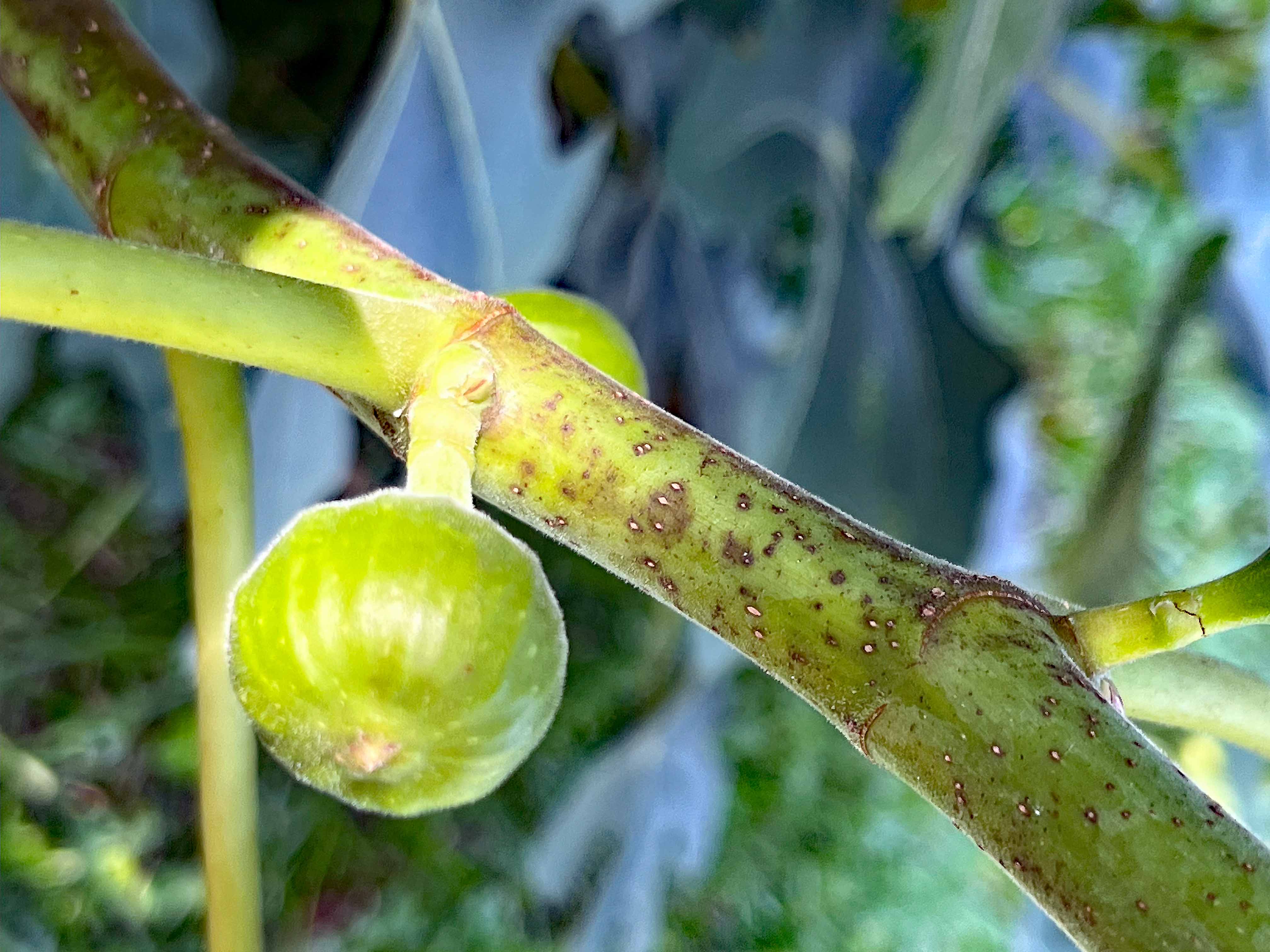
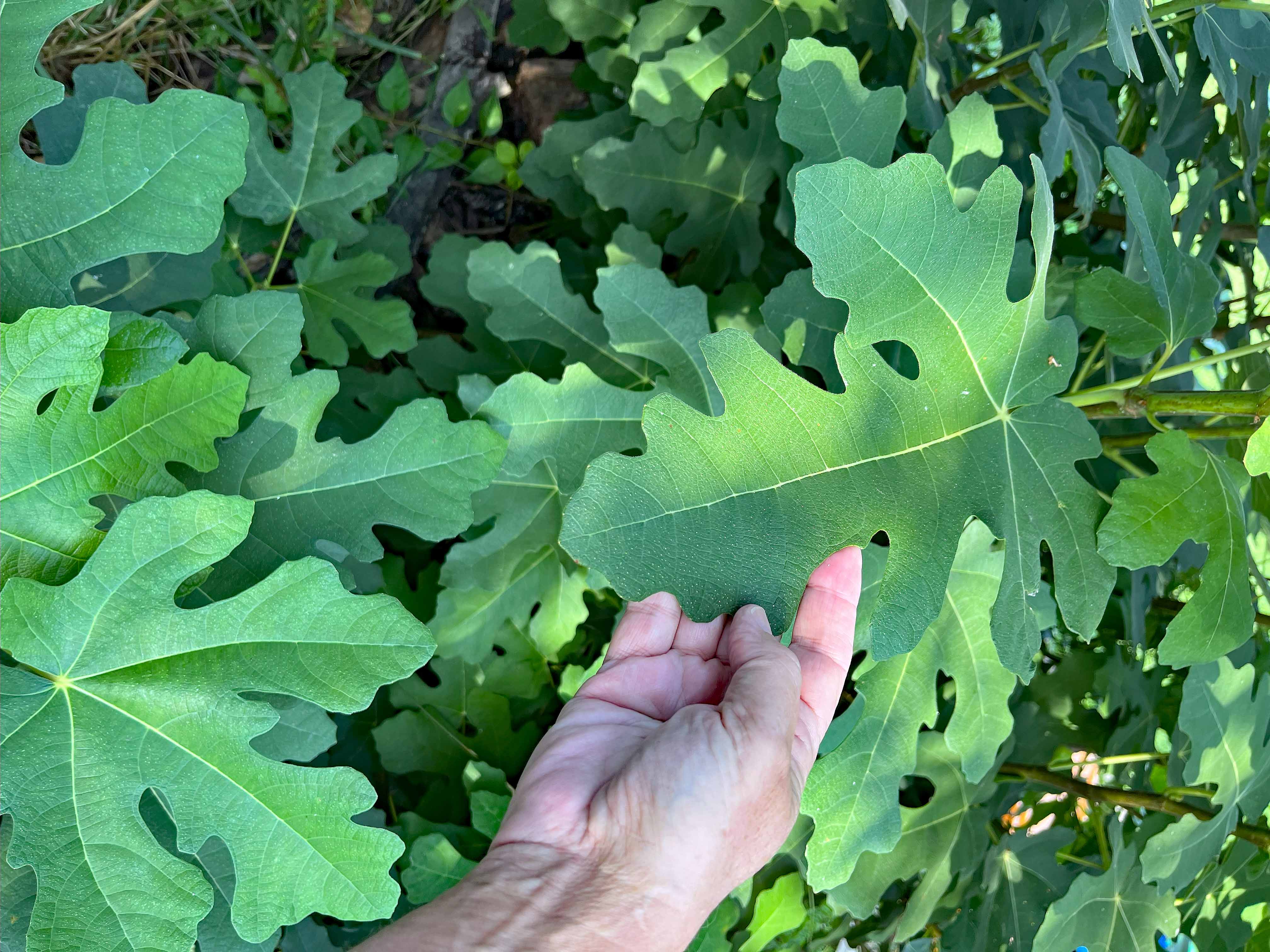
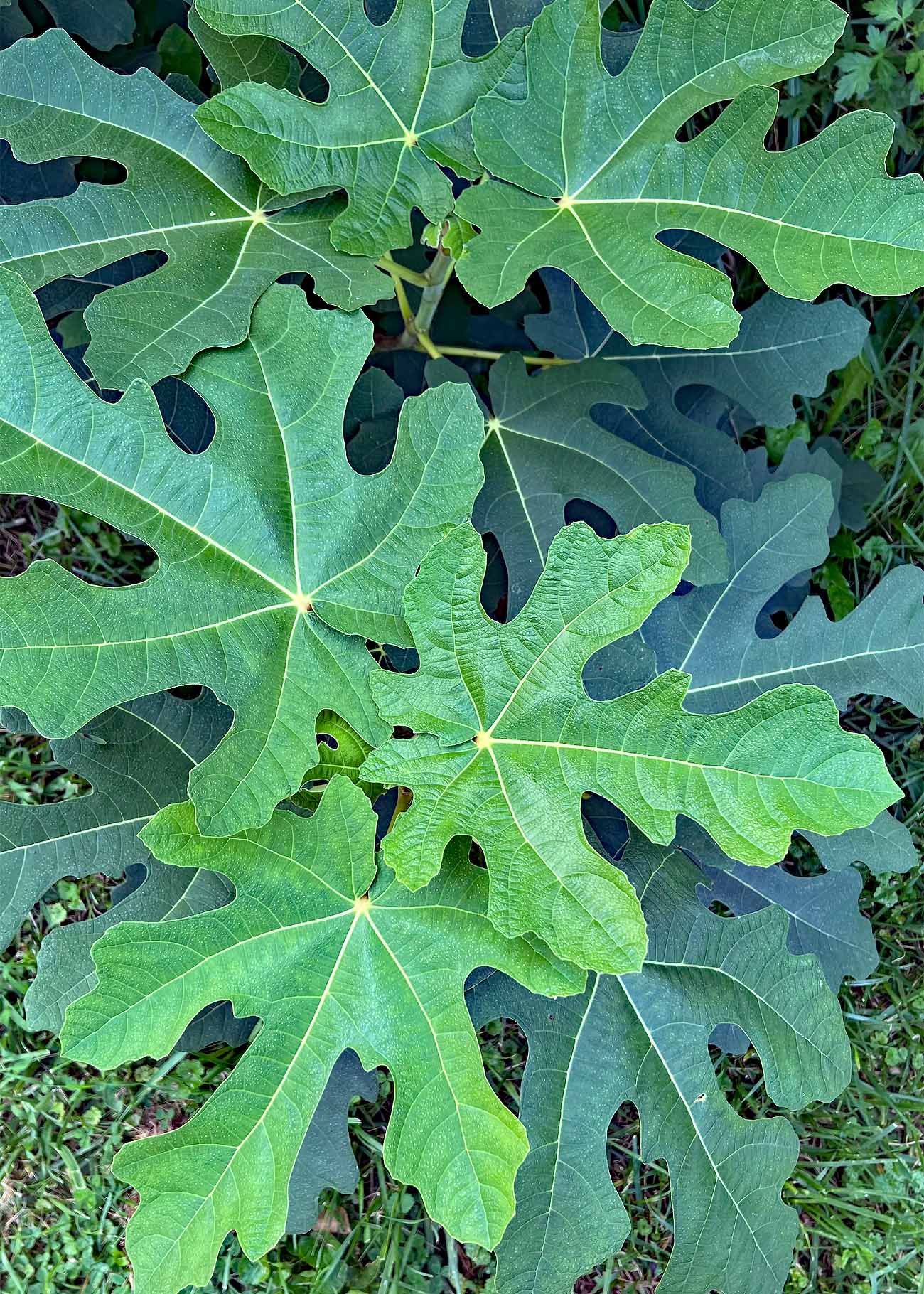
The fig tree (Ficus carica) is one of the earliest plants cultivated for its sweet fruit. Originally a native of western Asia, the Romans and Greeks dispersed figs throughout the Mediterranean. Spanish missionaries brought figs to North America in the early 1700s. Here in the United States, there are two fig species—the Florida strangler (Ficus aurea) and the shortleaf fig (Ficus citrifoliar).
Figs have unique flowers. Unlike most flowers that display their parts for all to see, fig flowers bloom inside their “fruit.” Botanically speaking, the fig is not a fruit but an inverted flower that grows in a pear-shaped bloom. When the female flowers are ready for pollination, they emit an odor to attract female wasps. While entering the narrow opening of the fig, the wasp’s wings and antennae break off, preventing the wasp from escaping. The female crawls around and lays its eggs in some of the flowers. The wasp dies within the fig, where enzymes dissolve its body.
Once the tiny larvae hatch, they eat the flowers’ seeds. Not all seeds are devoured; many seeds will endure. After a few weeks, the larvae develop into tiny male and female wasps. The males mate with the females inside the fig. Like their mother, these wingless males die within the fig and are absorbed by the plant. The male flowers are now full of pollen, and the young female wasps escape with some of the pollen to find another fig’s female flowers to pollinate.
So, are the crunchy bits in fig cookies the bodies of dead wasps? No! They are the seeds of the fig. There are many species and varieties of figs in the world. Many commercially grown figs do not require wasps to pollinate them. Figs are nutritious and high in potassium, calcium, magnesium, iron, and copper. So, enjoy those fig cookies.
‘My childhood home was one of the thousands of post-World War II houses constructed on land that once was farmed for potatoes and other crops on Long Island. Yet, my yard was bustling with nature: butterflies visiting flowers, eastern cottontails hiding in the landscaped shrubs, and English sparrows nesting in the eaves of our house.
One winter’s day, I discovered a strange growth on a branch of a dormant shrub. I thought it was a cocoon; it was a tawny-colored growth with a consistency of foam insulation. I brought it to my second-grade class to show my very knowledgeable teacher, but she did not know what it was and stuck it in an opened jar.
To her dismay, hundreds of tiny bugs hatched from the foamy case several weeks later and climbed on books and papers in the classroom. They were praying mantis nymphs. The nymphs resemble the adults—they look like baby mantids.
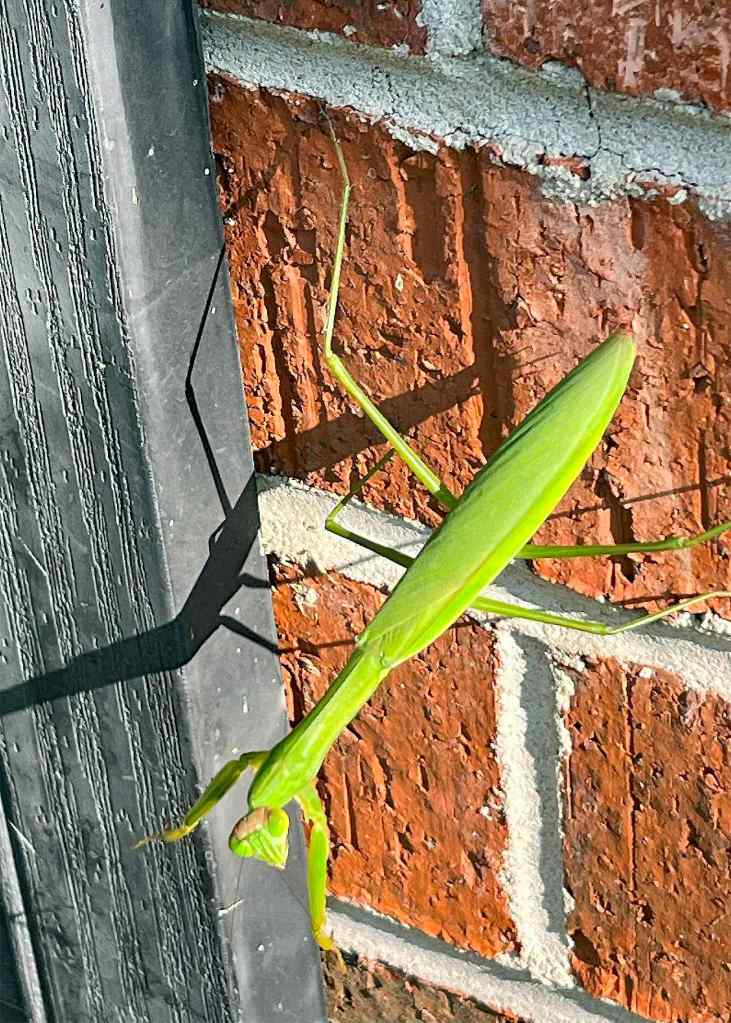
Praying mantids are ferocious-looking insects with large, protruding eyes on triangular heads. Their ability to resemble leaves and twigs enables them to “hide” in plain sight. They are skilled, deadly hunters of crickets, roaches, butterflies, and caterpillars. They are also known to eat larger prey, including frogs and hummingbirds. They are fearless ambush predators and will strike prey with their powerful, spiny front legs at lightning speed.
Females are larger than males; when mating, the female eats the male to gain nutrients and energy for healthy eggs. Just before winter, she lays hundreds of eggs and covers them with a frothy casing to protect them.
My grandkids found this mantis in Maryland. “It’s looking at me!” exclaimed my grandson. “It just turned its head to look at you, Peepaw.” There are over 2,000 species of mantids in the world, and here in Maryland, five kinds have been found. Only one is native; the others are invasive from other areas of the world.
During a recent trip to our resort in Orlando, Florida, the sun was obscured by a thick haze reminiscent of a New York City sky during ozone alerts when stagnant air is filled with pollutants from car emissions, power plant smoke, and industrial air contaminants. But this haze was different. The atmosphere was laden with dust from Africa’s Sahara Desert
When powerful winds sweep across the African Sahara Desert, dust particles are carried thousands of miles across the Atlantic to the U.S., the Caribbean, and South America. This dusty air, rich in iron and phosphorous, is not just a traveler. It is a vital contributor to the growth of plants and phytoplankton in the ocean, and a lifeline for the rainforests of South America, where the soil is low in phosphorous.
While it is beneficial for the environment, it can cause health problems for some people. When breathed in, it can exacerbate symptoms for those with asthma, COPD, and allergies.
Saharan dust also inhibits the development of tropical cyclones. Its dryness suppresses cloud formation and limits the convection of warm, moist air necessary for storm development. These dust storms peak in the spring, but when they subside, tropical storms and hurricanes can form. This is why peak hurricane season is from August into September.
As the dust plumes from the Sahara reach the western horizon, they transform the sky into a canvas of breathtaking sunsets, a testament to the beauty and wonder of our natural world.

 naturechirp