Leave a comment

Slimy Slugs

Venture out any evening in the warmer months in Florida and you are likely to see slugs slithering at a snail’s pace on the sidewalk, on the house and on the plants.

One species is the Florida leatherleaf slug. It was formerly native to the Caribbean and southern Florida but has expanded its range throughout Florida and is now found in Louisiana, Texas and Mexico.

It seeks shelter by day by burrowing into the leaf litter and emerges in the evening to eat plants so they can be a nuisance in your garden. Toads and some birds eat these, but a voracious predator is the rosy wolf snail. The wolf snail follows the slimy trails left behind by the slug and when it catches up, it will eat the slug. (See “The Flesh Eating Beast at Arbor Lakes” on this site.)

Anytime I go out at night, I always watch where I step because these slugs are everywhere. Yet, I have not seen damage to the plants in my yard so I tolerate these slimy creatures.

9 Comments

Curly Tailed Lizards Invade Cocoa Beach, Florida

Walking along a wooden walkway that leads to an Atlantic Ocean beach, 8-inch stocky lizards scurry and dart through the slats of the wooden railing. I stop and look over the railing to get a better view of the lizard. This creature was standing with its feet in the sand under a grove of sea grapes with a distinctive curled tail.

This species was imported from the Caribbean in the 1940’s by the sugar cane industry to control insect pests. It has since expanded its range in Florida from the Palm Beach area and is now a self-sustaining breeding species especially along the east side of the Florida peninsula. This lizard has a voracious appetite for insects and as far as I am concerned the more roaches it eats, the better.

Little is known about its impact to native species, but it may out-compete native lizard species.

On a walk from the beachfront to the hotel room, I see one of the curly tailed lizards sunning itself on the railing of the boardwalk and begin to snap pictures of it. When I get closer it scurries away curling its tail which is a distraction for predators that may want to eat it for dinner.

Leave a comment

Falcated Teal

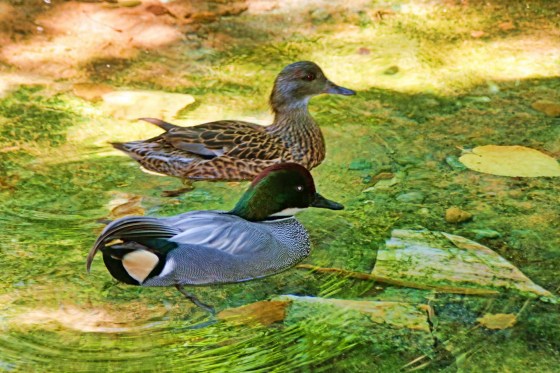
This east Asian duck nests in eastern Russia and northern China. It winters in southeast Asia including parts of India, south China and Vietnam. This duck’s prime habitats are lakes, ponds, wetlands and lagoons within forests where it dines on shore plants, aquatic vegetation, seeds and the occasional mollusk. Due to high levels of hunting for food in China, this species has been classified as near threatened globally.

Leave a comment

Victoria Crowned Pigeon

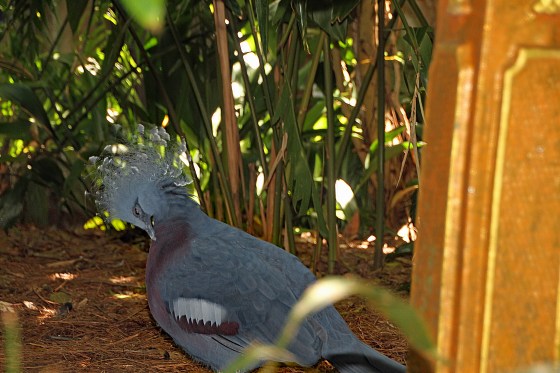
Wandering the forest floor in New Guinea, the Victoria crowned pigeon finds figs, a favorite and other fruit and seeds to eat. Although a ground-dwelling species, this bird is capable of flying into the trees if disturbed. This pigeon is a threatened species partly due to the loss of habitat from logging.

Leave a comment

Crested Wood Partridge

This gamebird is in the pheasant family and thrives in the lowland rainforests of southeast Asia where it uses its feet to find fruit, seeds and insects to eat. What is interesting about this species is that it feeds its young beak to beak. The youngsters of other members of this family begins pecking for food off the ground right away.

Unfortunately, the logging industry is taking its toll on this species with habitat destruction and the bird is threatened with extinction in the near future. Only through early intervention through conservation efforts will this species survive.