Leave a comment

Asian Black-collared Starling

This southeast Asian species inhabits the grasslands, fields and other open areas in China, Cambodia, Thailand and neighboring areas where they prey on earthworms, grasshoppers, crickets and other meadow insect species. This starling is common throughout its range and is globally secure.


Leave a comment

One of the World’s Highest-Flying Birds!

After the nesting season in Central Asia the bar-headed goose migrates south for the winter over the world’s highest peaks into northern India and neighboring countries. There is even an undocumented report of these geese flying over Mount Everest at nearly 30,000 feet.

It is amazing that any bird can fly this high in the thin oxygen poor air given that humans are susceptible to altitude sickness, dizziness and pulmonary edema at these heights. But the bar-headed goose has evolved to survive these high-altitude flights. It has larger proportional lungs than other waterfowl and its hemoglobin is capable of holding greater concentrations of oxygen. It is able to hyperventilate at greater rates than other birds to maximize what little oxygen exists at high altitudes. There are physiological adaptations including greater capillary density to supply oxygen to its muscles.

It is remarkable how the flora (plants) and fauna (animals) adapt to the harshest of conditions given the time of thousands of years of evolution. Unfortunately, due to the rapid changes occurring in today’s environment like climate change, many species will not have the time necessary to adapt to the changes causing them to disappear forever.

Leave a comment

World’s Largest Cat

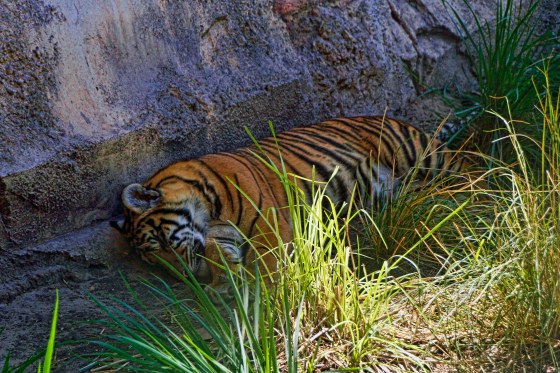
Hunting in the tropical forests and mangrove swamps of southeast Asia, the powerful tiger is a stealthy predator of deer, antelope and wild boar. This nocturnal animal’s striped pattern enables it to ambush wildlife. These cats are good swimmers and can even catch prey in the water.

Tigers live far apart from each other requiring large territories. Each tiger marks their area with urine and scratch marks on the trunks of trees. Because they require such large areas, their populations are dwindling due to encroachment of farmlands and logging that shrinks the habitat available to these big cats.

Additionally, tigers have been over hunted for their fur and other body parts that are used for medicinal applications. Due to dwindling numbers, this wild cat is endangered. Only through wise conservation efforts will the world’s largest cat survive the challenges it faces.

Leave a comment

Australia’s Only Native Swan

The black swan is native to southwestern and southeastern Australia although it has been introduced in Europe and Indonesia as an ornamental bird. It is about the size of Europe’s white mute swan (also introduced in the U.S.), has sooty-black feathers and a long neck, the longest in all swan species.

It prefers wetlands, lagoons, ponds and lakes with shallow waters where it can reach the algae and aquatic plants, its primary foods.

In the U.S. you can see black swans in some of its zoos. This bird’s population is secure.

1 Comment

The Bald Eagle Makes a Come Back

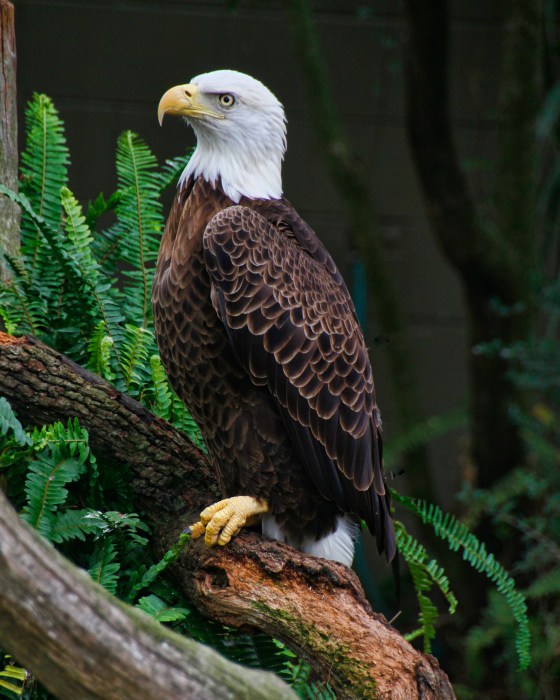
Before retiring, I worked as a biologist and environmental educator on Long Island in New York. Stationed at the Connetquot River State Park Preserve, a 3,500 pine barren park, I always became excited when a bald eagle appeared during the winter, a rarity at that time.

One year, an extended cold spell froze lakes and ponds cutting off food supplies for the wintering ducks. Most ducks left, but those too weak to fly further south remained. A bald arrived that winter and preyed on the weakest of the ducks by flying overhead and diving down to the flock to single out the weakest duck that did not keep up with the flock. Gruesome, yes, but it is nature’s way of weeding out the weak.

The bald eagle’s population declined precipitously in the early to mid-1900’s. Tens of thousands of eagle were shot and killed by farmers fearing that eagles ate their livestock. Additionally, the use of the pesticide DDT affected the calcium metabolism of egg production that decreased the birth of eagle chciks.

With the banning of DDT and laws protecting eagles, they have made a come back and are now off the federal endangered species list. Although eagles are impacted by collisions with electric producing windmills in the in our technological age, they are still secure.