3 Comments

Witnessing the Shift: Anecdotal Evidence of Climate Change

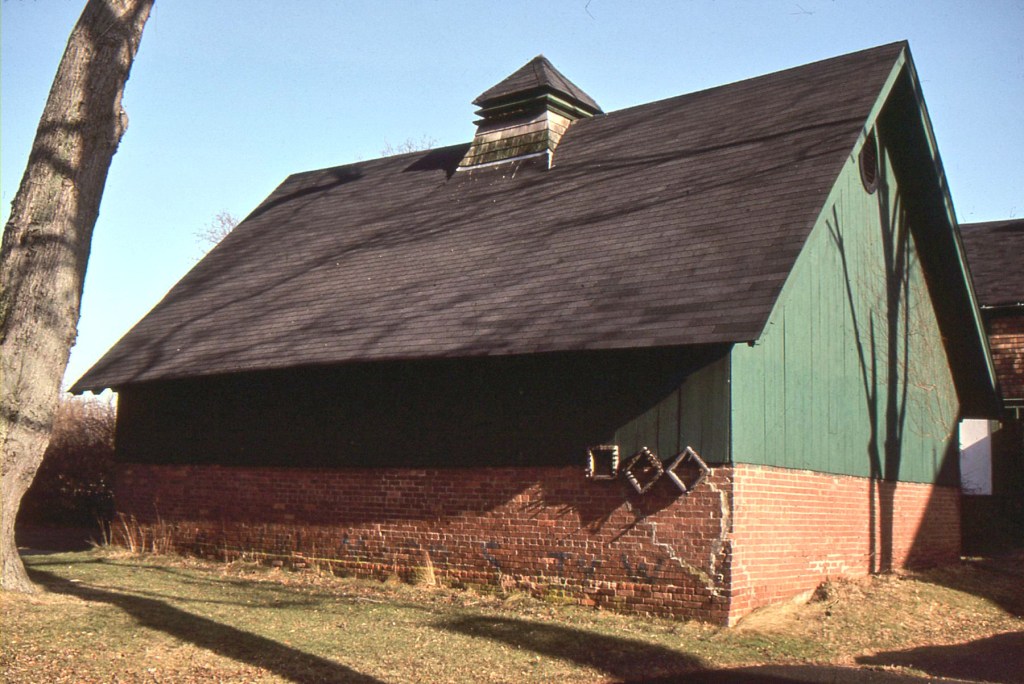
At Connetquot River State Park Preserve on New York’s Long Island stands an ice house constructed in the 1800s that denotes a time when the planet was cooler. It was constructed with a brick foundation that formed a cellar with wooden walls above the ground and sheltered with a steep wooden roof. During the winter, it was packed with ice harvested from local lakes. The ice kept food fresh and drinks cold. This ice remained frozen through the summer. Eventually, this form of ice production was replaced by ice made in factories.

This form of ice harvesting could not occur on Long Island with today’s climate. Winters are warmer, and the Island’s waterways rarely freeze. I looked forward to ice skating on our winter ponds when I was young. When the ice froze to 6 inches thick, parks roped off areas for ice skating. That no longer happens.

Many of you may not have personally witnessed these changes in the climate. As a 72-year-old biologist, I have had the unique opportunity to observe these changes in the natural environment over the years. Wildflowers now bloom earlier, autumn arrives later, and bird migration patterns have shifted.

Regardless of our individual beliefs about the causes of climate change, the reality of a warming climate is undeniable. If we don’t take immediate action to slow it down, we may find ourselves on a significantly hotter planet. The urgency of this question cannot be overstated. The earth will endure, but the future of our species is at stake. Will we be able to adapt, or will we become another casualty of our own inaction?  

Please share your observations of a warming climate in the comments below.
2 Comments

What Happens to Birds When a Tornado Strikes?

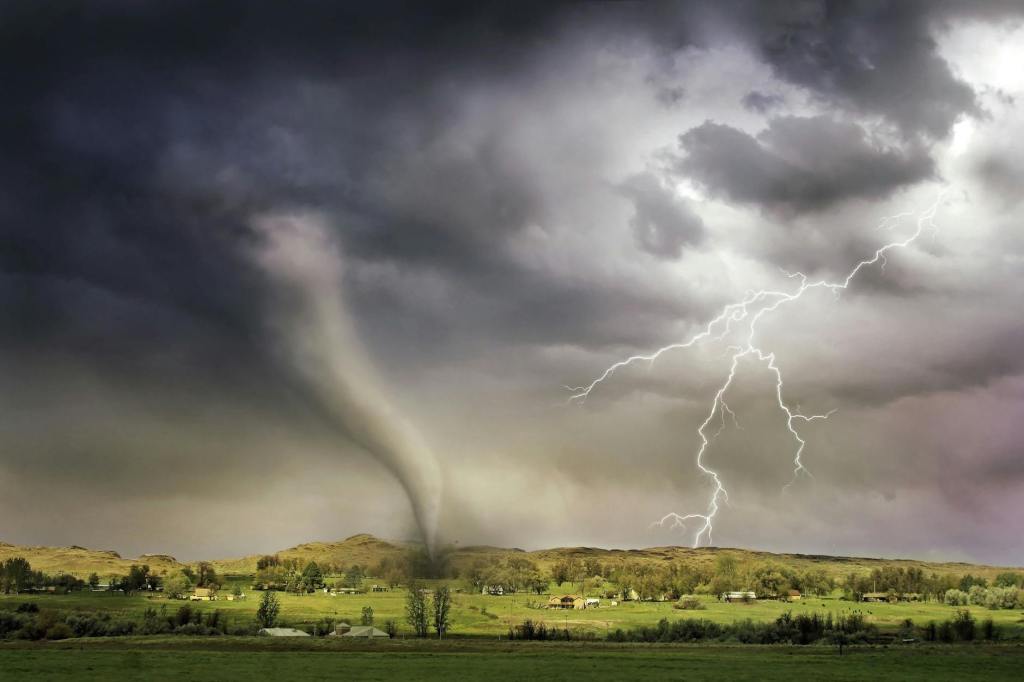
About 1,200 tornadoes slam the U.S. yearly. These tempestuous storms flatten homes, schools, and businesses, toss trucks, and hurl cars. People seek shelter to survive the ferocious and destructive winds, but what do birds do to live through tornados?

We do not really know. Birds’ keen sense of hearing detects the hum of a tornado miles away, which may alert them to flee from its path or hunker down in tree cavities and brush. Undoubtedly, many perish.

The greatest impact on birds is the destruction of important habitats where they raise their young and find food, water, and shelter. Even the destruction of barns affects barn swallows and barn owls that nest in them. I once observed a family of northern flickers nesting in a tree cavity survive a storm that blew the tree down. Despite the tree’s trunk lying on the ground, the parents continued to feed their young.

When tornadoes uproot trees and snap trunks in half, the canopy that forest-dwelling birds rely on is destroyed. These birds then seek suitable forest habitats elsewhere. In the absence of trees, a flood of sunlight spurs the growth of saplings and shrubs resulting in a brushy habitat conducive to thicket-loving prairie warblers, chestnut-sided warblers, and thrashers.

Over time, the tall trees of the forest will return, and so will the forest-dwelling birds, until a tornado upends the habit again. Nature is resilient!

5 Comments

Have You Ever Seen a Grackle Fish?

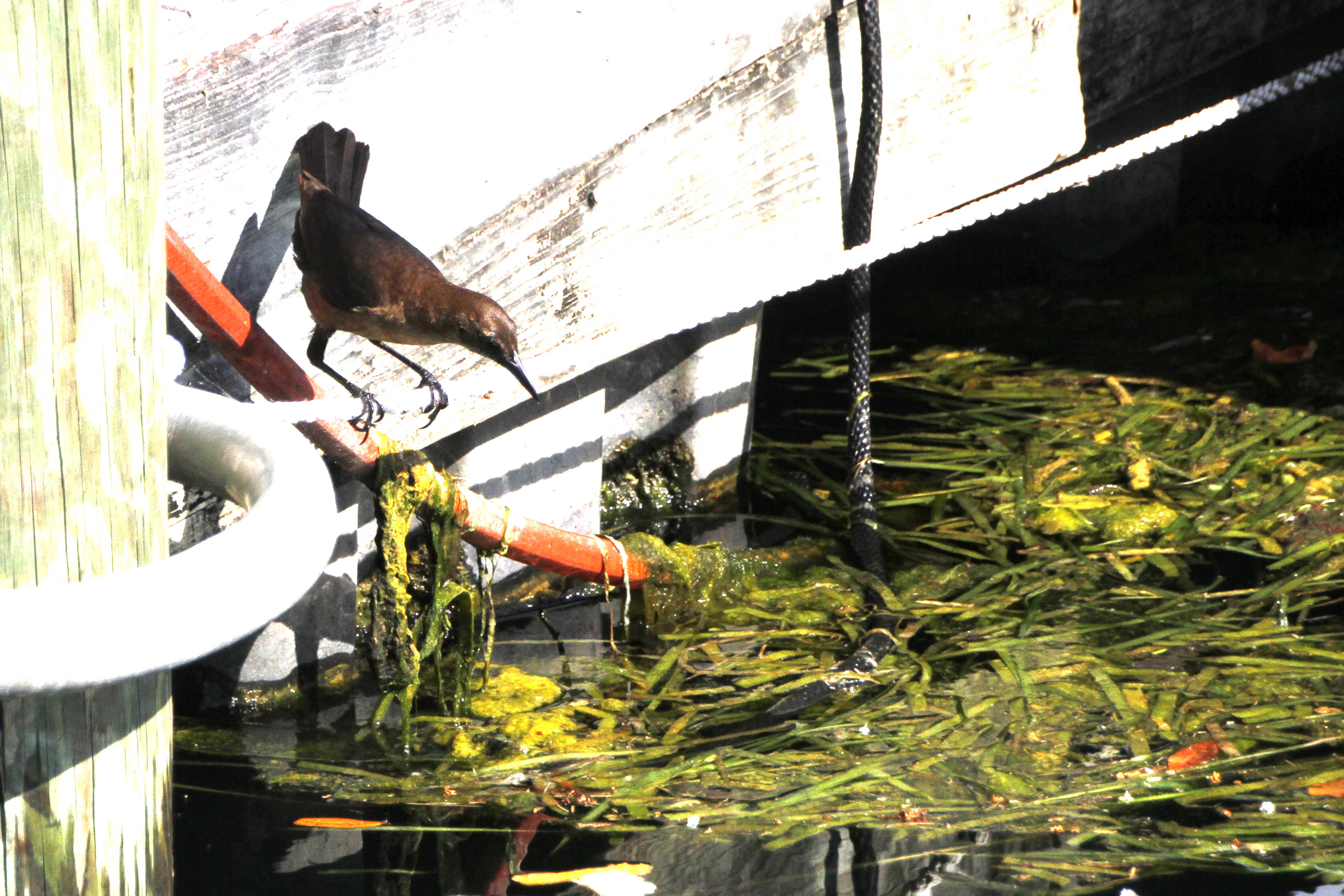
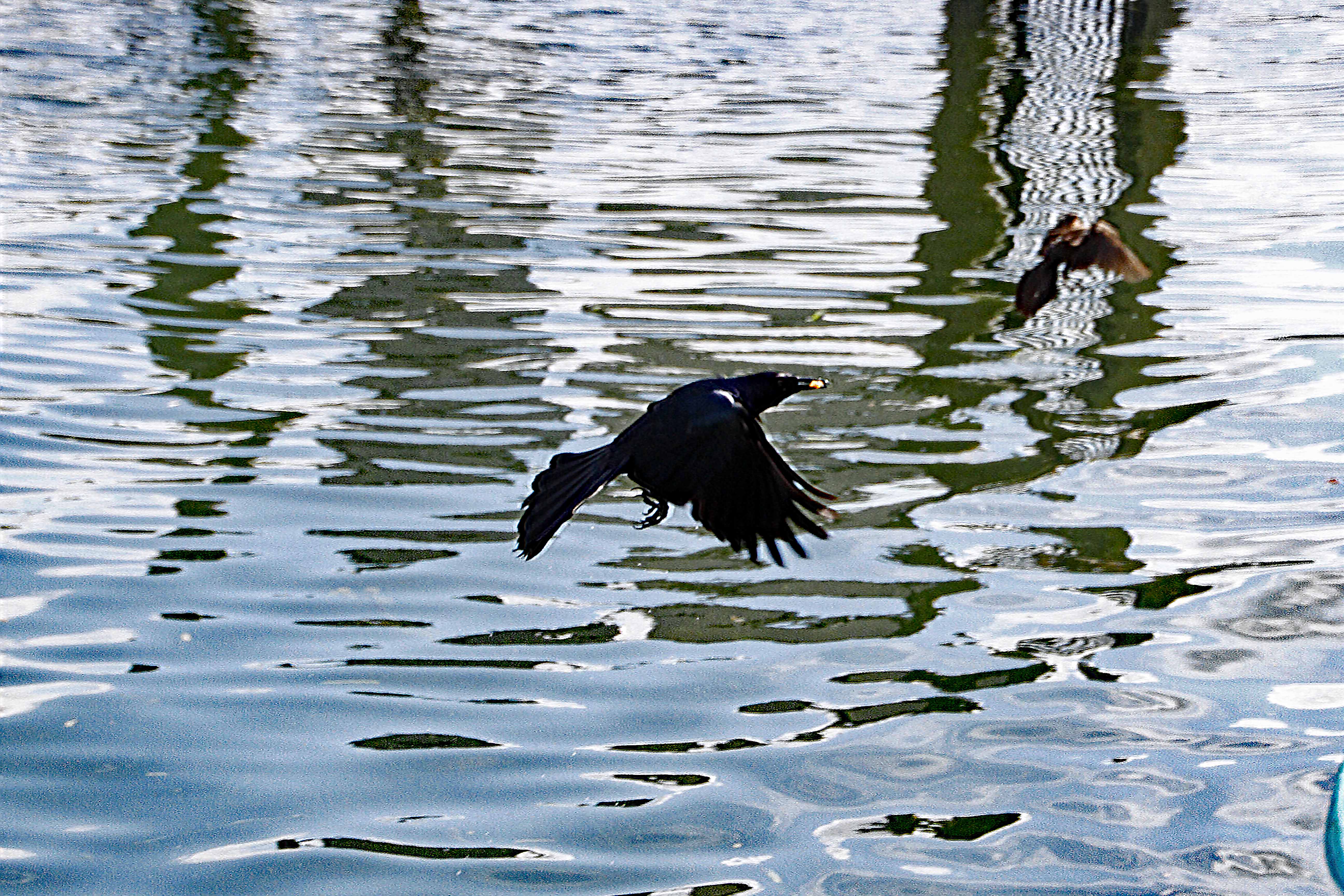
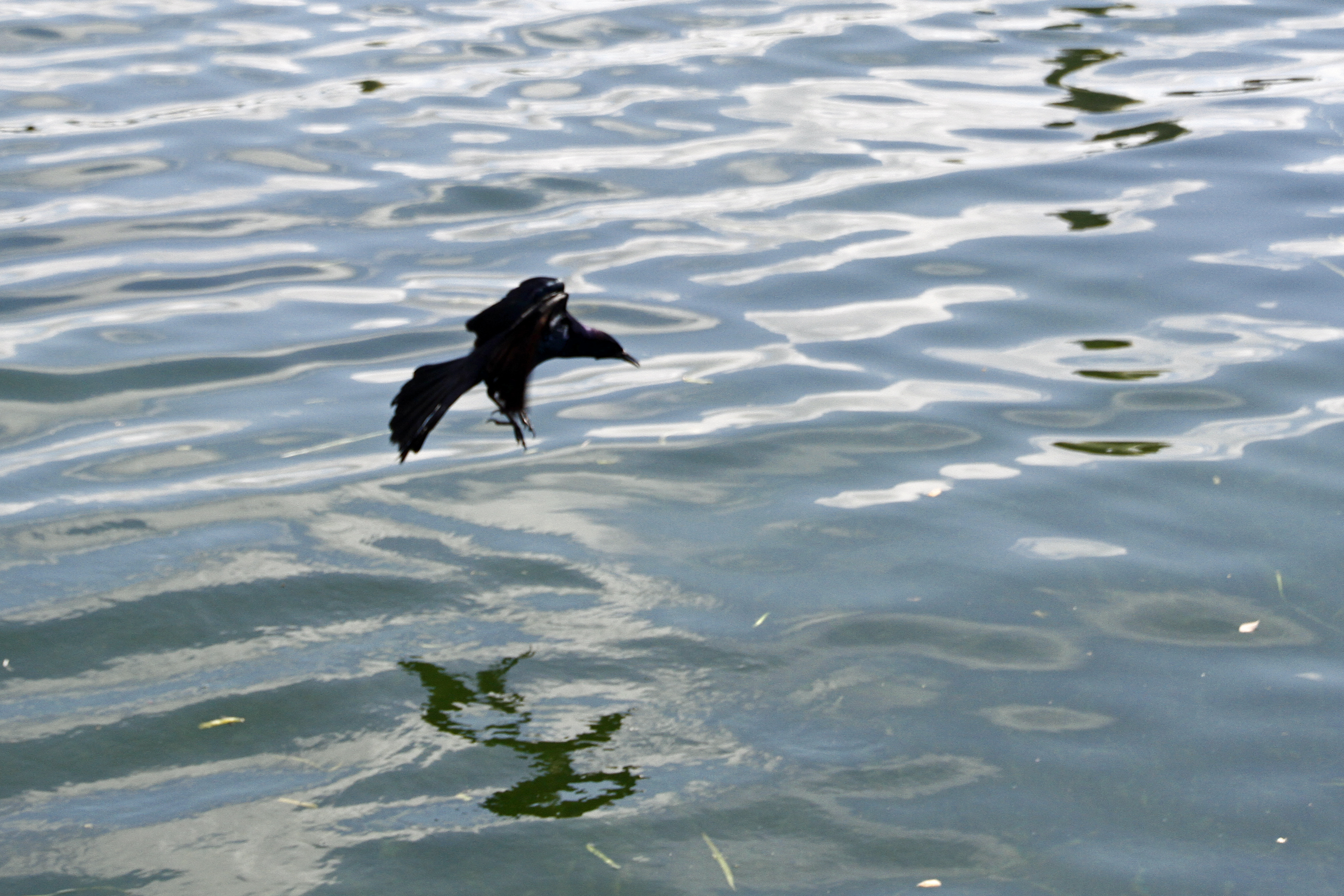
During a recent trip to a restaurant on King’s Bay in Crystal River, Florida, I walked out on the dock where boat-tailed grackles were having their dinner too. I watched them strike the water to snatch small baitfish from the water and perch on the posts and railings of the dock where these birds and devoured the sushi. Some grackles sat on a rope above a small raft of sea debris where they found other tasty morsels to eat. This species is omnivorous eating a wide variety of food including seeds, berries, insects, frogs and mollusks. I have seen them wade is shallow water to eat the small fish and tadpoles from the water, but it the first time I have observed them actually fishing from the air. Nature reveals amazing things when you take the time to see them.

4 Comments

The Plant That Escaped the Garden

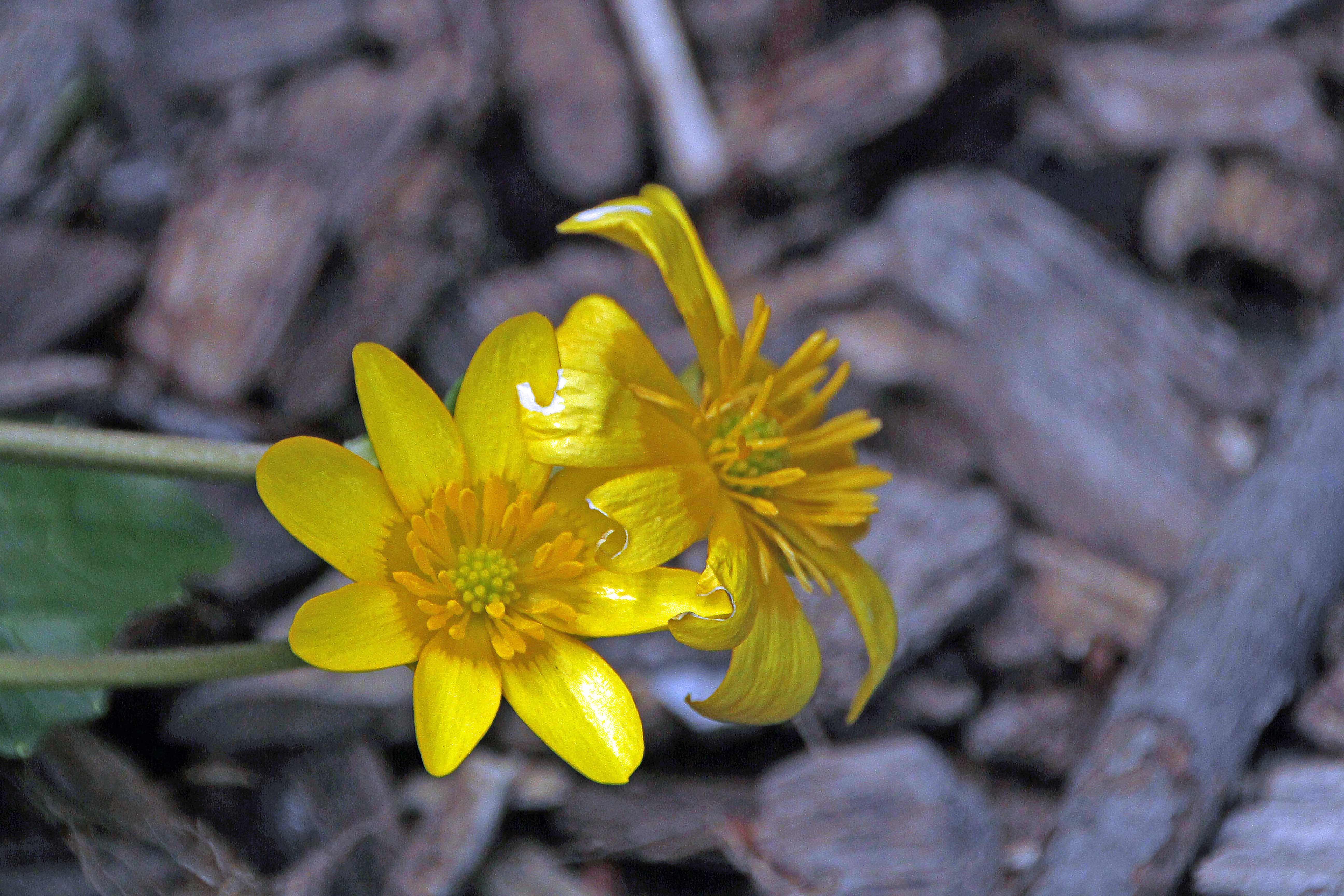
Native to Europe, north Africa and areas in Asia, the lesser celandine was introduced into the American garden landscape in the 1900’s for its beautiful shiny yellow flowers and glossy green kidney shaped leaves. The plant adapted so well to our gardens that it escaped into nearby native woodlands where it formed thick mats of vegetation competes with our native wildflowers. Because it grows so early in the spring it shades out native violets, spring beauties and trilliums so some consider it an invasive wildflower.

4 Comments

The Golden Wildflower

Throughout the eastern U.S. and in some places in the mid-west, the golden ragwort paints fields and sunlit woodland openings with splashes of golden yellow daisy-like blossoms. Sometimes it is confused with dandelions and hawkweeds by novices, but upon closer examination its 8 to 13 yellow petals, heart shaped basil leaves and clusters of blossoms helps to identify it. When you see these flowers, bend down, get a closer look and enjoy the beauty that this dainty yellow wildflower offers.